
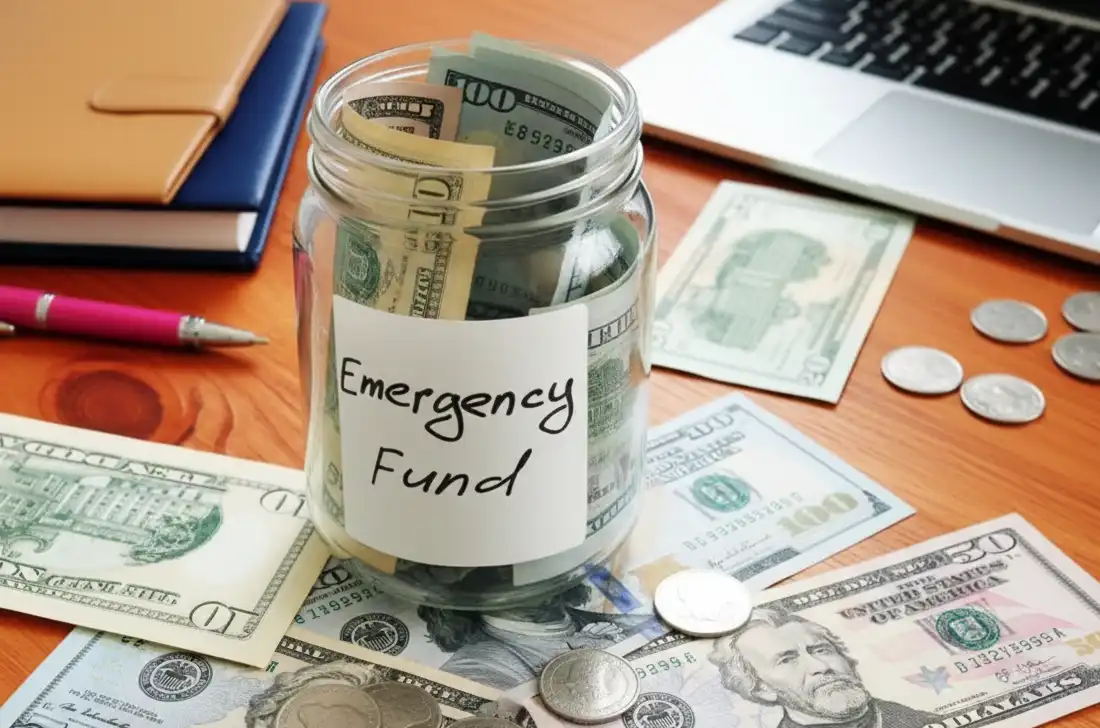
Emergency Funds Aren’t Enough: What Real Financial Preparedness Looks Like
For years, emergency funds have been positioned as the gold standard of financial responsibility. Build the savings, hit the number, and you are considered prepared. While having money set aside is important, many people discover the hard way that savings alone do not create financial stability. You can have cash in the bank and still feel anxious, stuck, or unprepared when life shifts.
Real financial preparedness is less about a single account and more about how well your finances can support you through change. It is about readiness, flexibility, and awareness working together so you are not scrambling when something unexpected happens. When preparedness is built correctly, it shows up not only in emergencies, but in everyday decisions, opportunities, and transitions.
This broader understanding of preparedness is especially important if your income fluctuates, your responsibilities are growing, or your goals extend beyond simply paying bills on time.
Preparedness Improves When You Know Your Financial Reality
One of the most practical indicators of financial preparedness is how quickly you can understand your financial situation when something changes. If an opportunity arises, an expense pops up, or income shifts, preparedness means you are not guessing or avoiding the numbers. You have enough clarity to respond with intention instead of panic.
This does not require obsessing over spreadsheets or tracking every dollar daily. It requires a working awareness of your cash flow, obligations, and financial priorities. When you know where your money is going and why, decisions become easier and less emotional. That awareness allows you to protect your savings instead of burning through them inefficiently.
Many high earners struggle here because income masks a lack of structure. Money is coming in, but clarity is missing. Preparedness improves when structure supports your income rather than chasing it.
Flexibility Is a Quiet Form of Financial Security
One of the most overlooked aspects of preparedness is flexibility. Financial plans that look strong on paper can fall apart quickly if they leave no room to adjust. Flexibility shows up when your finances can absorb change without forcing drastic decisions or long-term setbacks.
This includes flexibility in spending, commitments, and expectations. When your lifestyle is built with breathing room, you can slow down when needed, take advantage of opportunities, or navigate uncertainty without immediately reaching for emergency funds. Preparedness means fewer moments feel like crises because your financial life is designed to move with you.
Flexibility is especially important during seasons of growth. Increases in income often come with pressure to upgrade everything at once. Without intention, those upgrades reduce flexibility and increase stress. Preparedness improves when you protect your options, not just your image.
Awareness Protects You Before Problems Escalate
Financial awareness is not just knowing your balances. It is understanding patterns, habits, and emotional triggers that influence how you use money. Preparedness grows when you notice issues early rather than reacting after damage is done.
Awareness might look like recognizing when spending increases during stressful seasons or noticing how avoidance shows up when finances feel overwhelming. It also includes awareness of upcoming obligations, tax exposure, and how life changes will impact your financial picture. These insights allow you to adjust before small issues become expensive ones.
When awareness is present, emergency funds become a support tool rather than a lifeline. You are less likely to rely on savings to fix problems that could have been prevented with earlier attention.
Emergency Funds Work Best Inside a Bigger System
Emergency funds are most effective when they are part of a larger preparedness framework. On their own, they can create a false sense of security. Savings do not fix inconsistent income management, unclear priorities, or emotional decision-making. They simply delay the consequences.
Preparedness improves when emergency funds are paired with intentional planning and realistic expectations. Fewer expenses feel like emergencies when you anticipate them and build financial systems around your real life. When everything unexpected becomes an emergency, it often signals that your financial setup needs refinement.
Preparedness allows you to use savings strategically instead of reactively. That difference protects both your money and your confidence.
Preparedness Supports Opportunity, Not Just Survival
A common misconception is that preparedness is only about protection. In reality, it also positions you to say yes to opportunities without fear. When your finances are flexible and clear, opportunities feel exciting instead of risky.
This might mean taking time off without panic, investing in growth, or navigating career transitions with confidence. Preparedness gives you permission to move intentionally rather than staying stuck out of fear. It turns money into a tool instead of a source of constant pressure.
This is particularly important for entrepreneurs, creatives, and professionals building legacy-focused wealth. Preparedness supports long-term vision, not just short-term survival.
Financial Preparedness Is a Skill You Can Strengthen
Preparedness is not a personality trait or something reserved for people who “are good with money.” It is a skill that develops through education, reflection, and support. As your life evolves, preparedness evolves with it.
This is why ongoing learning and community matter. Education helps you see your finances differently, while community reinforces consistency and accountability. Together, they help turn awareness into action and flexibility into confidence.
The Beyond The Bag ecosystem was designed with this reality in mind. It recognizes that preparedness is not built through rigid rules, but through understanding, mindset shifts, and sustainable financial habits that align with your real life.
A Smarter Way to Think About Being Financially Ready
If you have an emergency fund but still feel uneasy about your finances, that discomfort is information, not failure. It suggests that preparedness needs to extend beyond savings alone. True readiness comes from clarity, adaptability, and awareness working together.
You deserve financial systems that support you through change, growth, and uncertainty without constant stress. Preparedness is not about controlling every outcome. It is about trusting yourself to navigate whatever comes next.
Exploring deeper financial education and community support through Beyond The Bag can help you strengthen that trust and build preparedness that lasts. When you move beyond emergency funds and focus on readiness as a whole, financial confidence becomes something you live, not something you hope for.






At Richburg Enterprises, we strongly believe in the power of financial independence and security for everyone.
About Richburg