

The Quiet Trap of Lifestyle Inflation
Lifestyle inflation rarely announces itself. There is no sudden financial crisis, no dramatic moment when everything falls apart. Instead, it unfolds quietly, wrapped in upgrades that feel deserved and expenses that feel manageable. One day you look up and realize that despite earning more than you ever have, financial peace still feels just out of reach.
If this feels familiar, you are not alone. Many high-earning professionals, creatives, entrepreneurs, and athletes find themselves caught in this subtle cycle. You worked hard to increase your income, so why does it still feel like your money disappears as quickly as it arrives? The answer is not a lack of discipline or intelligence. It is awareness.
What grows quietly can also be changed intentionally. That is where your power begins.
How Lifestyle Inflation Slips In Without Permission
Lifestyle inflation is not about reckless spending or poor decisions. It is about gradual normalization. As your income increases, your baseline for comfort rises alongside it. The apartment upgrade feels reasonable. The car payment stretches a bit higher, but still fits. Convenience becomes non-negotiable, and small indulgences quietly turn into fixed expenses.
At first, none of this feels harmful. In fact, it often feels like progress. You are finally living the life you imagined when you were grinding, sacrificing, and saying no. The challenge is that these changes rarely happen alongside a clear financial strategy. Without intention, your spending simply expands to meet your income, leaving little room for wealth to take root.
Over time, this creates a frustrating disconnect. From the outside, it looks like success. On the inside, it feels like financial pressure that should not exist at your level. That tension is one of the clearest signals that lifestyle inflation has taken hold.
Why Higher Income Alone Doesn’t Create Freedom
One of the most common myths around money is that earning more automatically solves financial stress. In reality, income only amplifies existing habits. If your financial decisions are reactive rather than intentional, more money simply moves through your life faster.
This is why so many high-income earners still feel trapped. Your obligations increase alongside your lifestyle. Monthly expenses become heavier, flexibility shrinks, and the margin for error disappears. A missed contract, a slow season, or an unexpected life event suddenly carries more weight than it should.
True financial freedom is not about what you earn. It is about what you keep, how you deploy it, and whether your money is working in alignment with your long-term vision. Without that alignment, lifestyle inflation quietly replaces freedom with obligation.
The Emotional Side of Lifestyle Inflation
Lifestyle inflation is not purely financial. It is deeply emotional. For many people, spending becomes a way to reward yourself for surviving difficult seasons. It becomes proof that the struggle was worth it. For others, it is tied to visibility, expectations, or the pressure to “look successful” in rooms where you were once overlooked.
These patterns are especially common among those who are first-generation high earners, creatives whose income fluctuates, or individuals who have carried financial responsibility for others. Spending can feel like relief, validation, or even safety. Acknowledging that does not make you irresponsible. It makes you human.
The danger comes when emotional spending solidifies into a permanent lifestyle without a supporting structure. When your financial choices are driven by relief rather than intention, lifestyle inflation stops being a phase and starts becoming a trap.
Awareness Is the Turning Point
The most important thing to understand about lifestyle inflation is that it is reversible. The moment you become aware of it, you regain choice. Awareness allows you to pause and ask better questions. Does this expense actually support the life I am building, or does it just make the present moment more comfortable? Is my money reinforcing my values, or quietly drifting away from them?
This is not about cutting joy or returning to scarcity. It is about redefining what “enough” means for you. Intentional living does not require deprivation. It requires clarity. When you understand where your money is going and why, you can decide which upgrades truly matter and which ones are simply habits in disguise.
At Richburg Enterprises, this mindset shift is central to how we talk about wealth. Financial planning is not just about numbers. It is about helping you build a relationship with money that supports peace, purpose, and legacy over time.
Reclaiming Control Without Punishment
Many people respond to lifestyle inflation by swinging to the opposite extreme. They cut aggressively, shame themselves for past decisions, and attempt rigid budgets that are impossible to sustain. This approach rarely works because it ignores the underlying reasons the spending increased in the first place.
Reclaiming control starts with compassion. You do not need to punish yourself for enjoying the fruits of your labor. Instead, you need a framework that allows enjoyment and growth to coexist. That means creating intentional boundaries around spending while prioritizing savings, investing, and long-term planning.
When your financial structure is aligned, you no longer have to guess whether you can afford something. Your money has a job, and that clarity reduces stress. This is the difference between reacting to income and directing it.
If you have ever felt like you are doing “well” but not building wealth, this is often the missing piece.
Introducing Beyond The Bag
Michelle Richburg has spent years working with individuals who look successful on paper but feel uncertain behind the scenes. She has seen firsthand how lifestyle inflation disproportionately impacts Black professionals, creatives, entrepreneurs, and women of color who are navigating wealth without generational blueprints or culturally relevant guidance.
Beyond The Bag was born from a simple but powerful mission. It exists to close the gap between earning money and building lasting wealth. It is not about telling people to spend less or work harder. It is about helping you understand your money, your patterns, and your purpose so you can move forward with intention rather than pressure.
This course and accompanying community are being developed to create space for education, reflection, and support. They are designed for people who are ready to step out of survival mode and into stewardship. That work takes time, care, and alignment, which is why Michelle has been intentional about building something that honors both the emotional and strategic sides of financial freedom.
Choosing Intention Over Automatic Upgrades
Lifestyle inflation thrives on autopilot. Intention disrupts it. When you slow down and define what success actually looks like for your life, your spending naturally becomes more aligned. You begin to prioritize flexibility, ownership, and peace over appearances and convenience.
This does not mean you stop enjoying life. It means your enjoyment is no longer dependent on constant upgrades. Instead, it is rooted in confidence that your financial choices are supporting your future rather than competing with it.
This is the same philosophy reflected throughout the Richburg Enterprises blog, including conversations around cultivating a prosperous money mindset and building long-term financial independence. Each of these topics points back to the same truth. Wealth is not accidental. It is intentional.
An Invitation to Stay Connected
If this article resonated with you, it may be a sign that you are ready for a different relationship with money. One rooted in clarity rather than pressure, and intention rather than reaction. As Beyond The Bag continues to take shape, the best way to stay informed is by joining our newsletter.
Subscribers receive thoughtful insights, practical tools, and early updates about the upcoming course and community, along with ongoing education designed to support your journey toward financial freedom. There are no dates to track or launches to chase, just an open invitation to grow alongside a mission built with care.
Lifestyle inflation may be quiet, but your response does not have to be. Awareness is the turning point. Intention is the path forward.
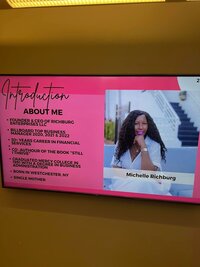





At Richburg Enterprises, we strongly believe in the power of financial independence and security for everyone.
About Richburg